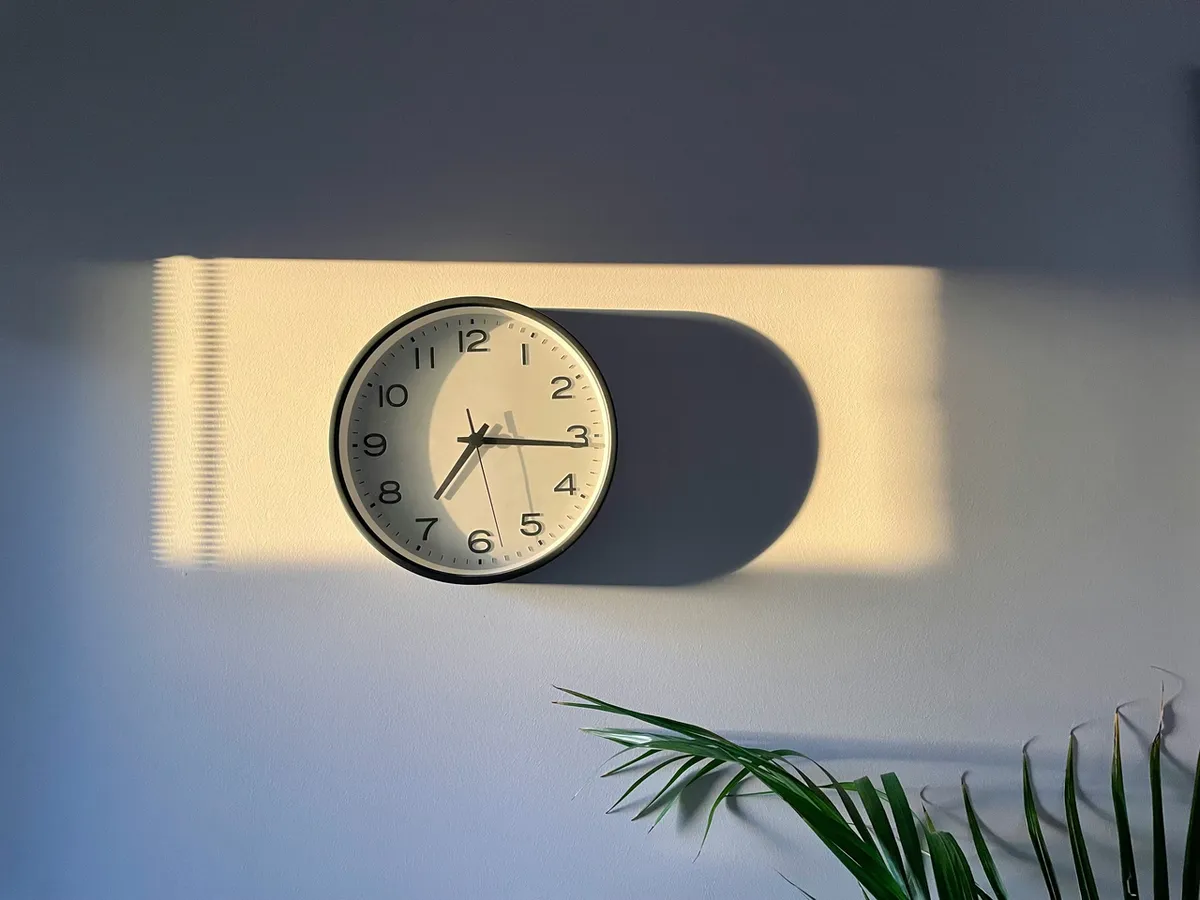
Did you know that time is subject to voting? Or that there are years that have extra seconds?
If you have the time this weekend, please take a look at this article "Earth Rotation Records Spur October Vote to Avert Negative Leap Second". It's super fascinating and I recommend you read it, but here are some crazy highlights:
...international timekeeping authorities are preparing to vote at this October's General Conference on Weights and Measures (CGPM) on a proposal to replace the leap second — a 54-year-old mechanism for keeping clocks aligned with Earth's rotation — with a far rarer adjustment called a leap hour, targeting implementation as early as 2027.
So it's possible that in 2027 we could have an extra hour in that year. Crazy.
Since roughly 2016, the planet has been spinning measurably faster than it has at any point in the atomic-timekeeping era. Earth set a new rotation speed record on July 4, 2024, completing its daily spin 1.66 milliseconds faster than the standard 86,400 seconds. That record was broken again by July 2025, when multiple days — including July 9 and July 10 — clocked in more than a millisecond shorter than usual. If this trend continues, the world's timekeepers will face something that has never happened in 54 years of the leap second system: a negative leap second — one in which a second is removed from the clock rather than added.
Finally, one more highlight. I don't want to copy the whole article, but this one is also super interesting.
Positive leap seconds pause the clock for one tick: instead of the sequence 23:59:59 → 00:00:00, UTC adds a 23:59:60 step. This extra timestamp has no place in the normal 60-seconds-per-minute model, and for half a century it has tripped up software that wasn't designed for it.
A negative leap second would do the opposite: instead of the clock pausing, it would skip forward. The sequence would run 23:59:57 → 00:00:00, with 23:59:58 and 23:59:59 simply not existing. The last minute of the affected UTC day would contain only 59 seconds.
The engineering implications are different in kind, not just degree. The documented failures from positive leap seconds — Reddit offline for 30 to 40 minutes in 2012, LinkedIn and Mozilla crashing the same night, more than 400 Qantas flights delayed when Amadeus Altéa's reservation system buckled — all involved software that couldn't handle time appearing to pause.
One second looks trivial and ridiculous, but it's not quite that. Keeping the clocks as accurate as possible can have serious implications.
Like I mentioned before, please read the article "Earth Rotation Records Spur October Vote to Avert Negative Leap Second". It's super fascinating and I'm sure you'll find things that you were not expecting.
Final Thoughts
So when old people say to you that "it looks like things are faster now", you can say that the Earth is faster as well :).
I don't envy the people who have to deal with time in any way, shape, or form. If you're in IT, especially programming, you know that when time comes up in a project, people groan very loudly, and for a good reason. This is why, and we're not even talking about timezone differences, daylight changes, etc.
So hug your company's developer if this change happens, because they will probably need to know about it (if they're lucky) or do something about it (if not so lucky).
Photo by Renel Wackett on Unsplash


No comments yet
Be the first to share your thoughts on this article!